
Standing water in a sink, tub, or toilet creates instant stress for any property owner. Standard cup plungers work well for light buildup near the surface, but deeper blockages require a different approach entirely. When repeated plunging yields no results, the obstruction rests further down the line or consists of dense materials like hardened grease, hair clusters, or foreign items. Pushing harder with a rubber cup can push the obstruction deeper or damage fragile pipe joints beneath the basin.
We see this scenario unfold across many properties throughout our region. Understanding how household plumbing lines operate helps you choose the right steps to restore proper flow without causing structural damage to your pipes. According to data from the Environmental Protection Agency, indoor household leaks and blockages account for thousands of gallons of wasted water annually, often starting as simple slow drains that go unaddressed. When standard DIY attempts fail to move a stubborn blockage, calling on professional drain cleaning services in Richmond, VA from Drain Cleaning Near Me LLC provides a safe, effective solution that clears the entire line.
Understanding Why Standard Plungers Fail
Standard plungers rely on air pressure and water displacement to break up soft obstructions located near the top of a drain opening. They work through a simple push-and-pull suction force. If an obstruction sits ten feet down the line, the air column inside the pipe cushions that suction force, making the plunger useless.
Certain materials resist suction altogether. Solid objects, dense thickets of hair bound by soap scum, and tree roots growing through pipe seams will not break apart under manual air pressure. Trying to force these items through with intense plunging often breaks the seal around the drain flange or forces water out of adjacent air vents, splashing dirty water across the room.
Safe First Steps After Plunging Fails
Before trying heavier tools, stop adding water to the fixture. Continuous flushing or running faucets will cause an overflow, potentially damaging flooring and subflooring materials.
Inspect the visible portion of the drain with a bright flashlight. If you see hair or debris right near the pop-up stopper or strainer, remove the cover carefully. You can extract surface debris using an inexpensive plastic hair-retrieval tool, which features tiny upward-facing barbs designed to grab hair strands without scratching the pipe interior.
Mechanical Drain Snakes and Cables
A manual drain auger, often called a drain snake, reaches far beyond the range of a plunger. This tool consists of a long, flexible steel cable wound inside a drum, with a corkscrew-shaped tip at the end.
To use an auger, feed the cable into the drain opening by hand until you feel resistance. Turn the hand crank clockwise while applying light forward pressure. The twisting motion allows the corkscrew tip to bite into dense blockages or wrap around hair clumps so you can pull them out. Never force the cable forward aggressively, as thin cables can kink or loop back on themselves inside larger pipes.
The Danger of Chemical Drain Cleaners
Pouring liquid chemical openers down a backed-up sink often causes more harm than good. Most commercial drain liquids rely on heavy concentrations of sulfuric acid or sodium hydroxide to burn through organic matter.
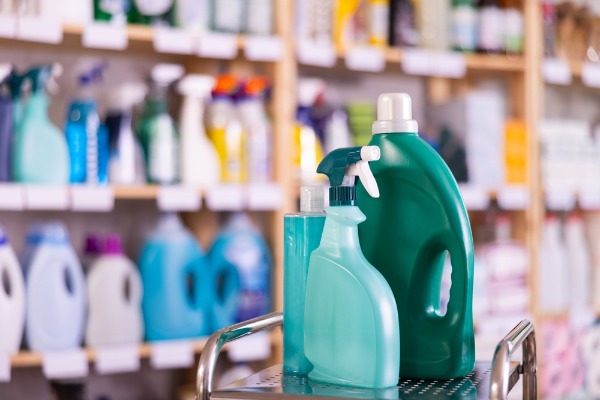
These harsh chemicals generate intense heat through chemical reactions inside the pipe. According to consumer safety studies by the Consumer Product Safety Commission, chemical drain openers cause thousands of severe chemical burns and eye injuries every year. Furthermore, that standing pool of chemical-laced water sits directly above the clog, eroding metal pipes, softening PVC joints, and creating a severe health hazard for anyone who has to dismantle the pipe later.
Working With a Drain Cleaning Company
Knowing when to transition from DIY efforts to professional service prevents accidental pipe damage. A qualified drain cleaning company possesses the heavy-duty machinery required to handle deep line obstructions safely.
Professional technicians carry various cable sizes, specialized cutting heads, and commercial jetting tools capable of clearing main lines up to several hundred feet long. They assess the structural integrity of your piping system before applying mechanical force, preventing old or brittle pipes from breaking under pressure.
Choosing Expert Drain Cleaning Specialists
When selecting professional assistance, choose providers who focus specifically on wastewater lines and pipe health. Experienced drain cleaning specialists understand how structural layout, pipe materials, and local soil conditions affect line performance.
Dedicated technicians carry specialized diagnostic tools directly on their service vehicles, allowing them to solve complex blockages in a single visit rather than relying on trial-and-error methods that waste time.
What to Expect During a Professional Visit
A typical service call begins with a thorough evaluation of the affected fixtures and nearby drainage points. The technician locates the nearest cleanout access point, which provides direct entry to the main line without working through small indoor trap bends.
After establishing access, the specialist selects the appropriate equipment for the specific pipe material and depth of the blockage. Once cleared, they test the system by running high volumes of water through the line to verify full drainage capability before completing the job.
Frequently Asked Questions
Q: Why does my toilet bubble when the shower drains?
A: This happens when a blockage in the main drain line restricts air movement, forcing trapped air up through the nearest water seal in the toilet bowl.
Q: Can tree roots get inside intact PVC pipes?
A: Roots usually enter through small gaps in pipe joints or tiny hairline cracks, expanding over time as they absorb water and nutrients inside the line.
Q: How often should main sewer lines be professionally cleaned?
A: Most properties benefit from a professional sewer line inspection and cleaning every one to two years to prevent heavy debris and root accumulation.
Q: Are chemical drain openers safe for septic systems?
A: Chemical openers disrupt the natural bacterial balance inside a septic tank, which slows down the organic breakdown process and can cause system failure.
Contact Drain Cleaning Near Me LLC Today
At Drain Cleaning Near Me LLC, our family-run and locally rooted team brings 30 years of experience to every job, delivering expert service backed by a lifetime labor warranty and a 100% satisfaction guarantee. We also pride ourselves on transparent pricing with no hidden fees, ensuring you always know what to expect before work begins. We are licensed, bonded, and insured, offering emergency services with fast response times to handle your toughest pipe challenges around the clock. Our technicians stay available 24/7, including on holidays and weekends, arriving equipped with advanced equipment, including hydro jetters and live camera systems, to diagnose and fix blockages accurately. Whether you need immediate help or routine maintenance, our Google 5-star rated team is ready to deliver fast, honest, and reliable pipe care whenever you need us.